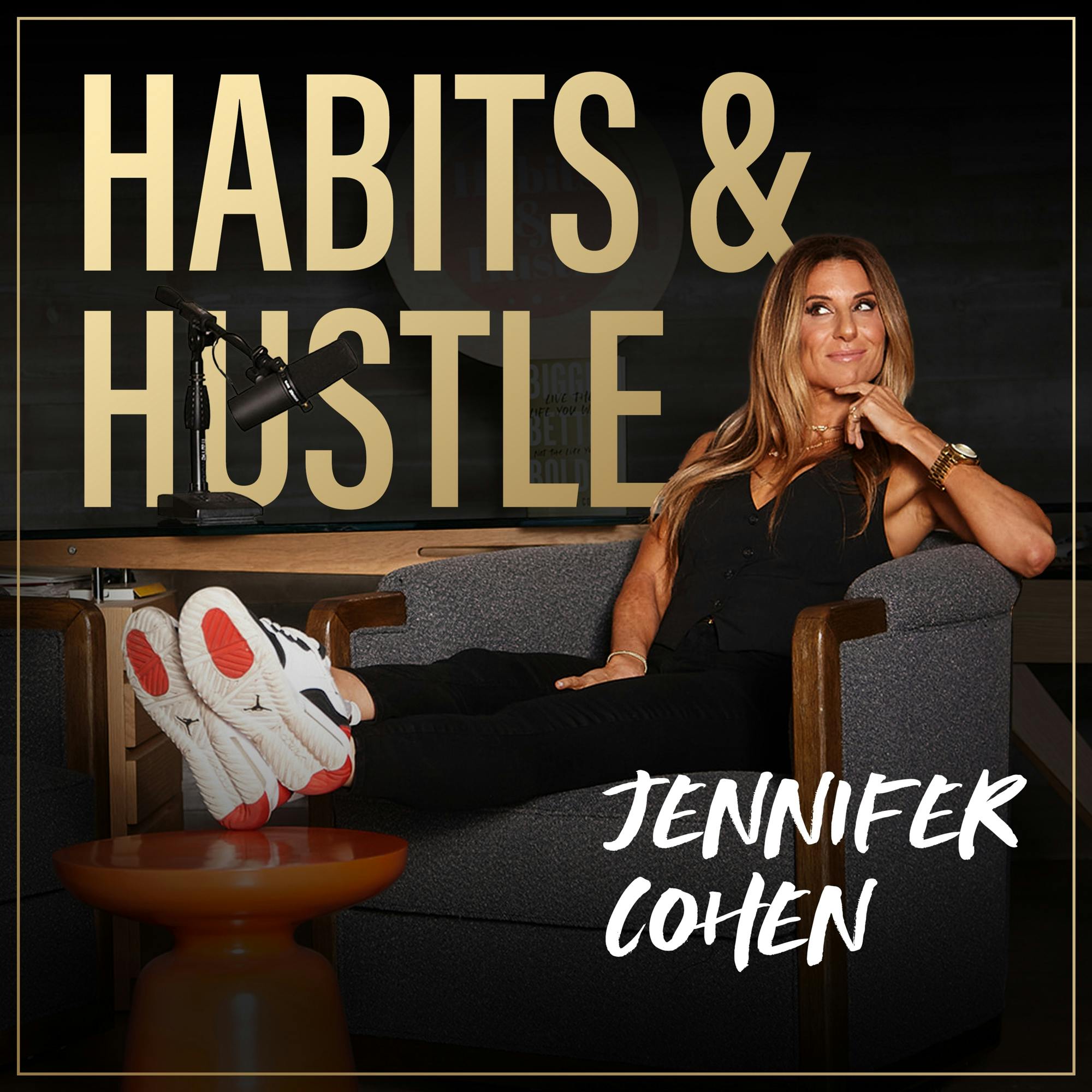
Episode 533: Dr. Amy Shah: What Changes in Perimenopause and How Cortisol Drives Belly Fat After 40
March 3, 2026
Key Takeaways Copied to clipboard!
- Building 'bumpers' or unscheduled space (like 20% of the day) into your routine is crucial for managing cortisol and improving cognitive processing, contrasting the societal pressure to be constantly booked.
- High-intensity workouts can backfire after age 40 by excessively spiking cortisol, leading to increased cravings and mid-section fat gain, necessitating a shift toward better recovery.
- Gut health is foundational to hormone balance, as specific gut bacteria (estrobolome) actively modulate estrogen levels, meaning fixing the gut can significantly alleviate perimenopause symptoms.
- Hormone therapy is highly effective for specific menopausal symptoms like osteoporosis, hot flashes, night sweats, and vaginal dryness, but it is not a panacea for weight loss, brain fog, or heart health.
- Starting hormone therapy significantly later (e.g., 10 years post-menopause) may be associated with increased breast cancer risk because the body has adapted to functioning without hormones.
- Women experiencing early signs of perimenopause, such as sleep disturbances, may benefit from targeted progesterone supplementation, as progesterone acts as a natural anti-anxiety and sleep-promoting hormone.
Segments
Morning Routine & Cortisol Buffers
Copied to clipboard!
(00:00:49)
Copied to clipboard!
- Key Takeaway: Morning sunlight combined with short movement stabilizes cortisol levels effectively.
- Summary: Getting sunlight and movement, even for 15-20 minutes, early in the day helps stabilize cortisol. Building ‘bumpers’ or unscheduled time into the day prevents constant rushing, which keeps the nervous system activated. This space allows for processing information and prevents the anxiety associated with being perpetually booked.
Intermittent Fasting & Cortisol
Copied to clipboard!
(00:05:01)
Copied to clipboard!
- Key Takeaway: Intermittent fasting, especially when extending the fast late into the day, can raise cortisol levels.
- Summary: The speaker notes that while she used to practice intermittent fasting, she realized it was raising her cortisol, particularly when the first meal was significantly delayed. This highlights the need to tailor fasting protocols to individual hormonal responses, especially as one ages.
Nutrition Handbook Gap
Copied to clipboard!
(00:06:46)
Copied to clipboard!
- Key Takeaway: There is a significant lack of specific nutrition and lifestyle handbooks for women navigating perimenopause and menopause.
- Summary: Medical training often omits detailed nutrition guidance for women’s aging phases, leaving women to guess or rely on generalized information. Menopause books frequently lack dedicated sections on nutrition and lifestyle adjustments needed for this phase. This information gap necessitates proactive learning to optimize health beyond age 40.
Cortisol Spikes and Midlife Workouts
Copied to clipboard!
(00:09:45)
Copied to clipboard!
- Key Takeaway: The body’s ability to buffer cortisol decreases with age, making previously tolerated intense workouts detrimental.
- Summary: High-intensity training that was manageable in one’s 20s can cause significant stress and mid-section fat gain in the late 30s and early 40s due to reduced cortisol buffering capacity. This stress elevates cortisol, leading to increased cravings for quick sugars and subsequent fatigue.
4-3-2-1 Movement Framework
Copied to clipboard!
(00:16:07)
Copied to clipboard!
- Key Takeaway: Optimal midlife movement involves four days of enjoyable movement, three days of weight training, two days of heat therapy, and one weekly sprint.
- Summary: The 4-3-2-1 framework prioritizes recovery over constant intensity; four days should be dedicated to enjoyable movement (like paddle or hiking) to collapse time and buffer stress. Three days of weight training are essential to counteract muscle mass loss, which accelerates after 30. The single weekly sprint is vital for cardiovascular muscle health, contrasting with daily moderate-to-intense exercise.
Aging Habits: Alcohol and Sugar
Copied to clipboard!
(00:27:33)
Copied to clipboard!
- Key Takeaway: Alcohol consumption and ultra-processed, high-sugar foods are the top two habits accelerating aging due to their impact on HRV and blood sugar regulation.
- Summary: Alcohol is cited as the number one aging habit because even small amounts significantly lower Heart Rate Variability (HRV), indicating increased nervous system stress. Ultra-processed, high-sugar foods are number two because estrogen loss impairs the body’s ability to process sugar efficiently, leading to prolonged blood sugar spikes that age the body.
Managing Sugar Cravings
Copied to clipboard!
(00:35:29)
Copied to clipboard!
- Key Takeaway: Pairing treats with fiber and protein, or removing the treat from the immediate kitchen environment, mitigates sugar spikes and overconsumption.
- Summary: When consuming a dessert, pairing it with fiber (like berries) and protein (like Greek yogurt) slows sugar absorption, preventing a sharp spike. For highly palatable processed snacks, placing a small serving in a bowl and eating it away from the kitchen reduces the likelihood of continuous consumption driven by dopamine pathways.
Stress and Physical Aging
Copied to clipboard!
(00:38:52)
Copied to clipboard!
- Key Takeaway: Chronic stress, evidenced by presidential aging or the stress of raising children, is the most significant factor accelerating physical aging.
- Summary: Stress elevates cortisol, activating the sympathetic nervous system, which prepares the body for danger, leading to physical symptoms like neck pain and anxiety. The visible aging in political figures after intense terms demonstrates stress’s profound physical toll. The constant demands of parenting also contribute significantly to this accelerated aging process.
Sleep as Underrated Anti-Aging
Copied to clipboard!
(00:43:38)
Copied to clipboard!
- Key Takeaway: Prioritizing sufficient sleep without an alarm is the most critical, yet often neglected, anti-aging tool for women.
- Summary: Women often feel indulgent or lazy sleeping 8 hours, but this is necessary for recovery, especially when dealing with high cortisol. Getting concentrated natural sunlight within an hour of waking resets the circadian rhythm, signaling the brain to release melatonin appropriately 12 hours later. Maintaining a consistent wake-up time, even on weekends, improves sleep quality and restoration.
Gut Health and Hormone Regulation
Copied to clipboard!
(00:47:45)
Copied to clipboard!
- Key Takeaway: Nourishing gut bacteria through fiber and fermented foods is essential for producing natural anti-inflammatory compounds and regulating hormones.
- Summary: Gut bacteria produce short-chain fatty acids that act as natural ibuprofen, calming cortisol and inflammation throughout the body. The estrobolome, a group of gut bacteria, actively modulates estrogen levels by recycling or removing it from the system. The 30-30-3 Method (30g protein, 30g fiber, 3 servings of probiotic foods) is a foundational diet strategy to support this critical gut-hormone connection.
Hormone Therapy Efficacy Limits
Copied to clipboard!
(00:54:17)
Copied to clipboard!
- Key Takeaway: Hormone therapy effectively resolves osteoporosis, hot flashes, and vaginal symptoms, but lacks proven data for weight loss or brain fog.
- Summary: Living decades past menopause is historically unique, making hormone therapy a powerful tool for specific conditions. Hormone therapy is a slam dunk for reversing osteoporosis, hot flashes, night sweats, and vaginal discomfort. However, there is insufficient data to confirm its benefits for weight loss, brain fog, gut issues, or heart health.
Nuance in Hormone Therapy Use
Copied to clipboard!
(00:55:52)
Copied to clipboard!
- Key Takeaway: Confusion surrounding hormone therapy necessitates nuanced discussion, as it is not a universal cure-all.
- Summary: The assumption that hormone therapy is a panacea for every symptom leads to confusion; nuance regarding its specific indications is crucial. Taking hormones solely for weight loss is not the correct indication, and while estrogen receptors exist in the brain, data is insufficient to claim prevention of dementia or reversal of brain issues. The pendulum has swung too far due to initial flawed studies, leading some to believe they must start immediately just in case.
Timing and Breast Cancer Risk
Copied to clipboard!
(00:57:11)
Copied to clipboard!
- Key Takeaway: Starting hormone therapy very late (10+ years post-menopause) is linked to increased breast cancer risk.
- Summary: The fear of missing the boat on hormone benefits is countered by the risk associated with starting too late, specifically 10 years post-menopause when the body has adapted to low hormone levels. Introducing hormones after this long period may put the system into overdrive, which was observed in studies linking late initiation to higher cancer rates. Using micronized progesterone instead of synthetic progesterone does not negate this risk if initiation is significantly delayed.
Progesterone for Sleep Disturbances
Copied to clipboard!
(01:02:15)
Copied to clipboard!
- Key Takeaway: Low progesterone, often seen before a period, can aggravate sleep issues, making targeted progesterone use beneficial.
- Summary: Sleep disturbances are an early sign of perimenopause linked to declining hormone levels, including progesterone. Progesterone is the body’s natural anti-anxiety and sleepy hormone, and supplementing it as needed can help manage these symptoms. Women can cycle on and off progesterone without needing to start full estrogen/testosterone replacement immediately.
Cortisol Reset Recommendation
Copied to clipboard!
(01:03:49)
Copied to clipboard!
- Key Takeaway: Women must give themselves permission to recover by implementing a 3-to-5-day cortisol reset.
- Summary: The final advice emphasizes giving the body a vacation from high-intensity habits to lower cortisol levels. This reset involves reducing over-caffeination, potentially cutting back on alcohol, and concentrating on protein, fiber, and fermented foods. Allowing for an extra 15 to 20 minutes of sleep can help retrain the body, and this cortisol reset for three to five days is presented as life-changing.
0:00 / 0:00