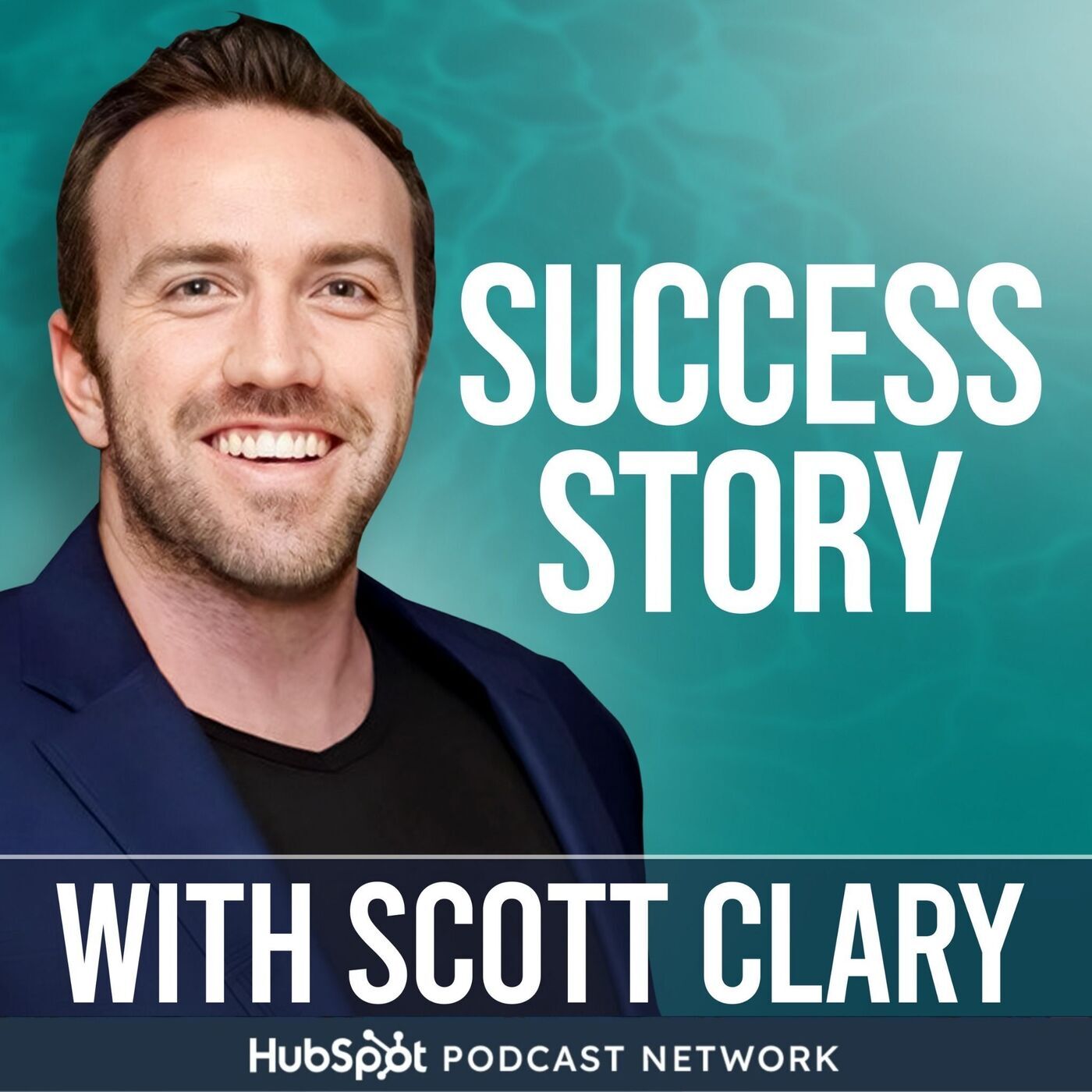
Ryan Serhant - Owning Manhattan | Started on Wall Street's Worst Day, Sold $20B Since
December 15, 2025
Key Takeaways Copied to clipboard!
- Success is often achieved by actively creating and leaning into chaos, as exemplified by Ryan Serhant's 'tornado creator' mentality in competitive environments like New York City.
- Ryan Serhant attributes his success to two superpowers: immense capacity to handle multiple ventures simultaneously and the strategic habit of 'milking' every win or opportunity to build subsequent ventures (e.g., leveraging reality TV exposure into ed-tech).
- Setbacks should be viewed as temporary 'speed bumps,' not 'brick walls,' and the most effective way to combat anxiety or inaction is by consistently taking action and focusing work on serving your future self, often two years out.
Segments
Embracing Chaos as Superpower
Copied to clipboard!
(00:00:00)
Copied to clipboard!
- Key Takeaway: Creating chaos results in paths toward success that might otherwise remain undiscovered.
- Summary: Ryan Serhant views himself as a ’tornado creator’ who leans into chaos, which is often a byproduct of living in New York City. This deliberate creation of upheaval often reveals unforeseen pathways to success. He notes that one must lean into the city’s energy or risk being consumed by it.
Lessons from Career Setbacks
Copied to clipboard!
(00:04:24)
Copied to clipboard!
- Key Takeaway: Every setback is a speed bump, not a brick wall, and the greatest deal or relationship is likely yet to come.
- Summary: Serhant views past failures, like bombing the LSAT or being killed off a soap opera, as non-final events because he believes nothing is ever final. He advises that setbacks are merely speed bumps requiring a slowdown, not a complete stop. This mindset fuels his belief that the greatest achievements are always in the future.
Superpowers: Capacity and Milking Wins
Copied to clipboard!
(00:07:05)
Copied to clipboard!
- Key Takeaway: Success is driven by the capacity to manage multiple complex ventures and the discipline to immediately leverage any new success or attention.
- Summary: Serhant identifies his first superpower as having the capacity to run four C Corps, a TV show, books, and family life simultaneously. His second superpower is immediately ‘milking’ any win, such as leveraging reality TV exposure into launching related ed-tech companies before relevance fades.
Hard Work Over Luck Philosophy
Copied to clipboard!
(00:12:54)
Copied to clipboard!
- Key Takeaway: Hard work creates its own luck, and consistent action is the greatest antidote to worry, anxiety, or sadness.
- Summary: The core belief is that ‘hard work beats luck when luck doesn’t work hard,’ meaning consistent effort eventually yields results that appear lucky to outsiders. Focusing on the work, rather than accolades, builds a network of like-minded individuals. Taking action, rather than remaining in inaction, is the best way to achieve contentment.
Delegation and Hiring Better Talent
Copied to clipboard!
(00:15:04)
Copied to clipboard!
- Key Takeaway: True scaling requires moving beyond founder mode to surround yourself with people demonstrably better than you at specific tasks.
- Summary: Serhant learned to structure his days around tasks only he could do best, delegating everything else to experts. He emphasizes the value of hiring people better than him, citing recent CTO and new construction hires with elite backgrounds from companies like Microsoft and Amazon. This allows him to transition into a learning role within his own meetings.
The Thousand-Minute Rule
Copied to clipboard!
(00:32:50)
Copied to clipboard!
- Key Takeaway: Time must be treated as a finite asset, and scheduling future emotional unloading prevents short-term negativity from derailing productivity.
- Summary: The thousand-minute rule helps structure the day for independent contractors by quantifying productive time available outside of life necessities. This framework also serves mental health by allowing users to schedule emotional venting notes 30 days out, trusting that the issue will either be resolved or irrelevant by then.
Understanding Life Phases and Saying No
Copied to clipboard!
(00:36:45)
Copied to clipboard!
- Key Takeaway: Career phases dictate whether one must say ‘yes’ to everything to build momentum or can transition to saying ’no’ strategically to focus on high-leverage activities.
- Summary: In the early career phase, the primary job is saying yes to opportunities to gain experience, even if it means juggling multiple jobs. The ‘magical moment’ comes when revenue goals are met, allowing one to transition to saying ’no’ strategically to maximize productivity on chosen priorities.
Future Building and Personal P&L
Copied to clipboard!
(00:41:40)
Copied to clipboard!
- Key Takeaway: Successful individuals define their personal Profit & Loss (P&L) to establish a clear North Star, preventing endless work after initial financial success.
- Summary: People often fail to define their ultimate life goals, leading them to work ceaselessly even after achieving financial success, causing other life aspects to collapse. Serhant stresses the need to know one’s personal monthly cost and define specific goals to avoid aimless pursuit.
The Golden Rule as Ultimate Lesson
Copied to clipboard!
(00:47:07)
Copied to clipboard!
- Key Takeaway: The Golden Rule—treating others as you wish to be treated—is the most crucial lesson because every action taken with another person ultimately reflects back on oneself.
- Summary: The single most important lesson to pass on is the Golden Rule, emphasizing reciprocity in all interactions. Understanding that every action taken toward others will eventually return to you encourages kinder, nicer treatment of people. This collective kindness builds a better world during our short time on the planet.
0:00 / 0:00