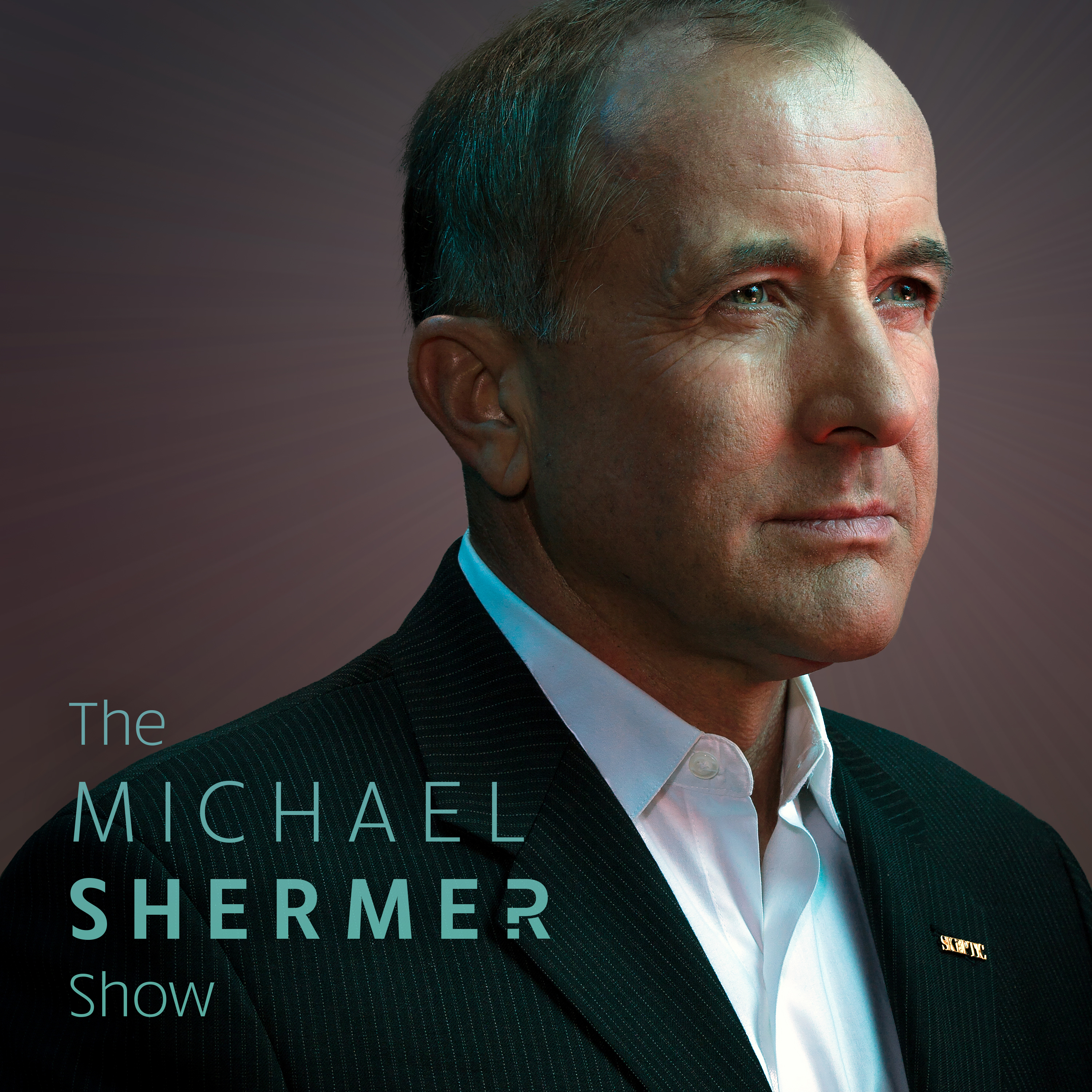
Why Wars Last Longer Than Experts Predict
December 8, 2025
Key Takeaways Copied to clipboard!
- The traditional "great power paradigm," which equates power primarily with military strength, fails to predict war outcomes, as evidenced by the US losing wars despite being a superpower and the initial underestimation of Ukrainian power.
- The enduring "short war myth"—the expectation that wars will end quickly (e.g., "over by Christmas")—is consistently proven wrong by history, yet it continues to influence expert predictions, as seen in the lead-up to the 2022 Russian invasion of Ukraine.
- War outcomes are heavily influenced by contingent factors beyond military hardware, including leadership quality (as seen in Putin's catastrophic miscalculation), political structure, societal cohesion, and economic/technological foundations, which realism often discounts.
- The immediate future of the war in Ukraine is likely to be determined by success in the "ranged war"—targeting economic activity like fuel and power—rather than significant changes on the physical battlefield.
- A peace treaty that freezes the battle line and allows Russia to keep conquered territory would not be a straightforward end to the conflict, as it raises complex legal issues regarding title and the automatic end of sanctions.
- While long-term historical trends suggest progress against war, the current era may see an increase in conflict as U.S. dominance wanes, and the inherent struggle between "barbarism and civilization" remains a constant threat to human nature, as suggested by Hobbesian philosophy.
Segments
Critique of Short War Myth
Copied to clipboard!
(00:01:26)
Copied to clipboard!
- Key Takeaway: The enduring myth that wars will be quick (e.g., ‘over by Christmas’) is consistently proven wrong, yet it persists.
- Summary: The discussion opens by highlighting the ‘short war myth’ and how experts incorrectly predicted the war in Ukraine would end quickly, contrasting this with historical examples like the Civil War and WWI.
Introduction of Guest and Topic
Copied to clipboard!
(00:02:29)
Copied to clipboard!
- Key Takeaway: Phillips Hayson O’Brien introduces his book arguing that experts fail because they misunderstand power and war dynamics.
- Summary: Michael Shermer introduces Phillips Hayson O’Brien, professor and author of War and Power: Who Wins Wars and Why? The immediate focus is on why experts misjudged the duration of the Ukraine conflict.
Failure of Great Power Paradigm
Copied to clipboard!
(00:05:05)
Copied to clipboard!
- Key Takeaway: The Realist focus on military power and the ‘great power paradigm’ is flawed, as great powers frequently lose wars.
- Summary: O’Brien argues that theories focusing solely on military power and great power status fail to predict outcomes, citing U.S. losses in Vietnam and the War on Terror.
War Games and Initial Engagements
Copied to clipboard!
(00:06:40)
Copied to clipboard!
- Key Takeaway: War games often create flawed models, leading analysts to believe initial engagements determine the war’s outcome, which is rarely true.
- Summary: The discussion covers how war gaming culture overestimates Russian military capability (mirroring the U.S. military) and how experts wrongly focused on the opening days of the conflict.
Expert Analysis Accuracy Decline
Copied to clipboard!
(00:08:27)
Copied to clipboard!
- Key Takeaway: Intelligence analysis regarding Russian military capabilities before 2022 was ’terribly inaccurate,’ suggesting a decline in analytical rigor.
- Summary: Shermer questions the accuracy of intelligence agencies, noting the head of the Joint Chiefs predicted Kyiv would fall in three days. O’Brien confirms the analysis was severely flawed, possibly worsening over time.
Contingency vs. Inevitability in History
Copied to clipboard!
(00:13:25)
Copied to clipboard!
- Key Takeaway: Historical outcomes, including major events like WWII, often hinge on contingency, chance, and specific leadership choices rather than deterministic forces.
- Summary: The conversation explores how leadership (like Putin’s) and contingency shaped events, contrasting this with deterministic theories. The rise of Hitler is used as a prime example of political contingency.
Factors Creating Military Power
Copied to clipboard!
(00:20:06)
Copied to clipboard!
- Key Takeaway: A country’s true strength is determined by underlying factors like economic/tech strength, leadership, and societal cohesion, not just visible military hardware.
- Summary: O’Brien details the variables that create military capability, emphasizing that economic and technological strength is the ‘sine qua non,’ followed by leadership and societal structure.
The Sunk Cost Fallacy in War
Copied to clipboard!
(00:36:05)
Copied to clipboard!
- Key Takeaway: Leaders often continue costly wars (like Japan in WWII) due to the sunk cost fallacy and the inability to admit failure, even when facing certain defeat.
- Summary: The discussion uses the Japanese decision to attack Pearl Harbor and their refusal to surrender in 1944 to illustrate how sunk costs and leadership unwillingness to admit error prolong conflicts.
Nuclear Zero Unlikely
Copied to clipboard!
(00:46:59)
Copied to clipboard!
- Key Takeaway: Nuclear zero is improbable because possessing nuclear weapons provides a crucial strategic advantage, incentivizing proliferation.
- Summary: O’Brien and Shermer discuss why nuclear disarmament won’t happen, citing the ‘other guy problem’ and the lesson learned by Ukraine regarding giving up its arsenal.
Self-Deterrence in Ukraine Aid
Copied to clipboard!
(00:50:43)
Copied to clipboard!
- Key Takeaway: The U.S. engaged in ‘self-deterrence,’ limiting aid to Ukraine based on fears of Russian nuclear escalation, which ultimately slowed down necessary support.
- Summary: The conversation analyzes how U.S. fears of Russian tactical nuclear use led to self-imposed restrictions on weapon delivery, thereby prolonging the war.
Ukraine War Outlook
Copied to clipboard!
(00:59:36)
Copied to clipboard!
- Key Takeaway: The war is currently balanced, and the next major shift will likely come from one side gaining an advantage in the ‘ranged war’ (targeting infrastructure/economy).
- Summary: Applying a ‘super forecaster’ lens, O’Brien predicts the battlefield will remain static unless a technological advantage emerges, making the war of attrition (ranged war) the key determinant.
0:00 / 0:00