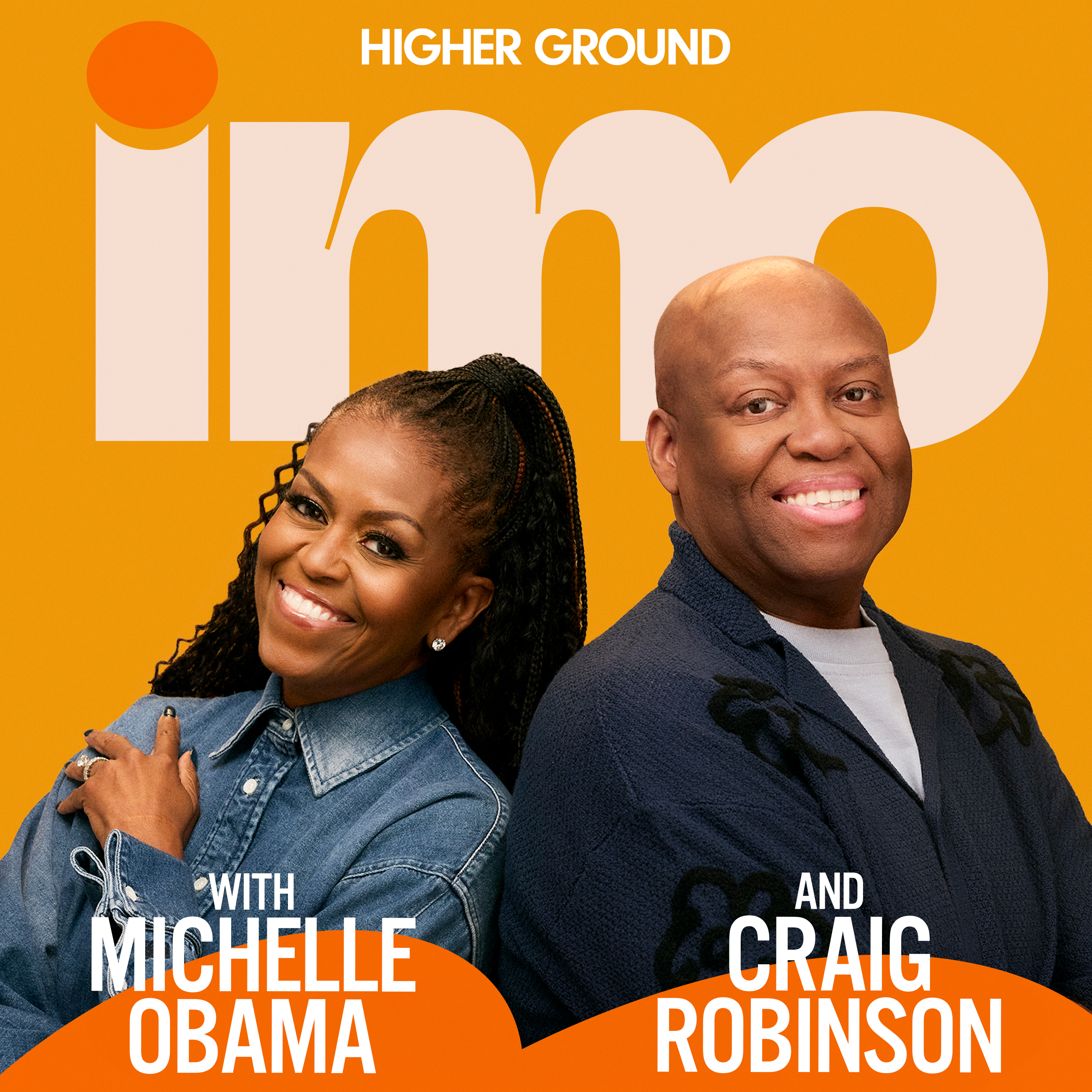
IMO Presents: The Look Live with Wesley Morris
November 28, 2025
Key Takeaways Copied to clipboard!
- Michelle Obama's adherence to ethics rules meant returning a substantial gift from Oprah Winfrey, illustrating the strict standards required in public office.
- The East Wing of the White House was intentionally cultivated as a space of color, light, and joy, contrasting with the serious nature of the West Wing.
- Michelle Obama's fashion choices, including the Jason Wu inaugural gown and the Sergio Hudson inauguration suit, were deliberate acts intended to send messages about representation, opportunity, and readiness for unexpected circumstances.
- Michelle Obama prioritized tangible goals and practical functionality in her wardrobe as First Lady, ensuring her clothing supported her active engagement rather than being purely symbolic or precious.
- The conversation highlighted the immense, often unacknowledged, logistical and diplomatic work performed by the First Lady's support team (stylists, hairdressers, etc.), who had to operate with discretion and prioritize the First Lady's mission over personal recognition.
- Michelle Obama deliberately used her fashion choices, including wearing braids, to support and empower young women, particularly women of color, by challenging narrow, traditional standards of beauty and professionalism.
Segments
Oprah’s Gift and Ethics
Copied to clipboard!
(00:00:00)
Copied to clipboard!
- Key Takeaway: Barack Obama insisted on returning a substantial gift of Ralph Lauren clothing from Oprah Winfrey because of ethics rules prohibiting accepting gifts while in office.
- Summary: Oprah Winfrey sent Michelle Obama a large trunk containing Ralph Lauren’s first edition clothing line as a thank you gift. Michelle felt like she had been ‘Oprah’d’ by the sheer volume of high-quality items. However, Barack Obama, citing the rule that they could not accept gifts while in office, required the items to be sent back.
Book Weight and Significance
Copied to clipboard!
(00:02:03)
Copied to clipboard!
- Key Takeaway: The physical weight of Michelle Obama’s book (4.1 pounds) symbolizes the unprecedented and extraordinary nature of her experience, serving as documentation against future attempts to deny that history occurred.
- Summary: The interviewer weighed the book at 4.1 pounds, noting its heaviness signifies that something extraordinary happened. This physical documentation is important because people may try to claim that period of history did not happen. The book’s existence and weight serve as proof that the experience expanded and changed people’s lives and their view of what is possible.
White House Entry and Meme Avoidance
Copied to clipboard!
(00:03:52)
Copied to clipboard!
- Key Takeaway: Michelle Obama’s primary thought process when walking in public or down stairs during her time in office was focused entirely on avoiding tripping to prevent becoming a meme.
- Summary: Wesley Morris complimented Michelle Obama’s ‘cat walk’ upon her entrance. Michelle admitted her sole focus during long walks or on stairs while wearing heels was simply ‘don’t trip, don’t fall.’ This intense focus was necessary to avoid creating viral, embarrassing moments.
Barack’s Sartorial Simplicity
Copied to clipboard!
(00:08:34)
Copied to clipboard!
- Key Takeaway: Barack Obama has minimal interest in fashion, sticking to a very limited palette of neutral colors for his wardrobe, which contrasted sharply with Michelle’s more colorful presentation.
- Summary: Michelle described Barack as having ’no experiences’ in fashion, noting he simply replaces the same khaki pants from The Gap. His wardrobe consisted mainly of black, blue, tan, and gray, with the family being surprised when he wore a color like lavender. This contrast mirrored the difference between the serious West Wing and the joyful East Wing.
East Wing vs. West Wing Atmosphere
Copied to clipboard!
(00:11:03)
Copied to clipboard!
- Key Takeaway: The East Wing, housing the First Lady’s staff and social offices, represented color, light, and joy, while the West Wing was associated with serious matters like war, death, and Congress.
- Summary: Michelle characterized the East Wing as the place where color, light, laughter, apples, and puppies resided, making visitors feel lighter. The West Wing, conversely, was where serious governmental work, including discussions of war and Congress, took place. This distinction helped define the different roles and atmospheres within the White House.
The Meaning of ‘The Look’
Copied to clipboard!
(00:14:44)
Copied to clipboard!
- Key Takeaway: The book title, ‘The Look,’ encompasses the multifaceted concepts of being observed, how one chooses to present oneself, and the desire to control one’s perception.
- Summary: The title ‘The Look’ was collaboratively chosen because it encapsulated the book’s themes beyond mere fashion. It addresses who is looking, which look is appropriate, and how one wants to be perceived. The accompanying essays, contextualized by Farah Griffin’s foreword, explore culture, race, and the author’s journey through these visual representations.
Childhood Fashion Desires
Copied to clipboard!
(00:21:30)
Copied to clipboard!
- Key Takeaway: As a child growing up poor on the South Side of Chicago, Michelle Obama dreamed of wearing a Chicago Cubs uniform and white patent leather go-go boots, desires often thwarted by practicality and her mother’s sewing.
- Summary: Early photos show Michelle in practical public school attire, reflecting a time when she had no money or resources for fashion. Her fashion desire was to emulate baseball player Jose Cardinal, wearing a Cubs cap with her hair styled into a fro. She also longed for white patent leather go-go boots seen on TV, but her mother substituted them with practical rubber over-boots.
Post-White House Freedom in Style
Copied to clipboard!
(00:35:40)
Copied to clipboard!
- Key Takeaway: Transitioning to natural curls and braids post-presidency symbolized Michelle Obama’s newfound freedom and control over her personal presentation, offering representation to other women with textured hair.
- Summary: The shift to wearing natural curls and braids after leaving the White House represented the ‘opening of the freedom of post-life, Michelle.’ This change allowed her to be active (swimming, tennis) without constant styling assistance. It also served as an important celebration of the beauty and versatility of all textured hair types.
Ethical Dilemma with Oprah’s Second Gift
Copied to clipboard!
(00:39:48)
Copied to clipboard!
- Key Takeaway: Oprah Winfrey sent Michelle Obama diamond earrings after the Legends Ball, which, like the previous clothing gift, had to be returned because Barack Obama was a U.S. Senator at the time, reinforcing their commitment to ethical standards.
- Summary: Oprah’s version of the story confirmed that she gave out diamond earrings (hoops for the ‘young’uns,’ teardrops for the ’legends’) at her 50th birthday Legends event. Michelle felt she could not keep the diamonds because Barack was a U.S. Senator, aligning with their consistent ethical stance. Oprah emphasized this story to show that the Obamas were ethical and conscientious from the start.
Inaugural Gown Symbolism and Intentionality
Copied to clipboard!
(00:49:48)
Copied to clipboard!
- Key Takeaway: The choice of Jason Wu for the first inaugural ball gown was intentional to support an immigrant designer who was talented but lacked the established opportunities given to industry greats like Oscar De La Renta.
- Summary: Michelle recognized that everything she wore sent a message, making designer choices intentional, not just about beauty. Choosing Jason Wu over an established designer like Oscar De La Renta was a deliberate act to change lives and signal who belonged in powerful spaces. This approach of supporting emerging American designers continued throughout their time in office.
Second Inauguration Outfit as Preparedness
Copied to clipboard!
(00:54:28)
Copied to clipboard!
- Key Takeaway: Michelle Obama’s Sergio Hudson pantsuit for the second inauguration was chosen for practicality and readiness, given the recent threat of the January 6th Capitol attack, making it an outfit for movement and defense.
- Summary: Due to the recent events of January 6th, Michelle prioritized practicality, choosing pants and lower-heeled boots to ensure she could move quickly if necessary, and intentionally left her support staff outside the security perimeter. The outfit, which featured a powerful belt, symbolized strength and the need to represent democracy’s resilience. By this time, she was already shifting away from dresses toward pants for many public appearances.
First Lady’s Work Ethic
Copied to clipboard!
(01:08:57)
Copied to clipboard!
- Key Takeaway: Michelle Obama rejected the role of a ‘symbolic first lady’ to focus on tangible goals derived from her nonprofit background.
- Summary: Focusing on tangible goals and outcomes helped navigate hardships, haters, and negative commentary during her time in the East Wing. She established a streamlined process for wardrobe management, fitting clothes only once a month to save time for substantive work. This efficiency allowed her to manage a demanding schedule that included physical activities like push-ups and playing soccer.
Wardrobe as Welcoming Tool
Copied to clipboard!
(01:11:23)
Copied to clipboard!
- Key Takeaway: Clothing choices were strategically made to either welcome people in or keep them away, avoiding overly ‘precious’ looks that might deter connection.
- Summary: Clothing needed to be practical enough for spontaneous activities like hugging someone in tears or engaging in physical tasks without getting ruined. Prints were often preferred over white to avoid showing dirt during unpredictable interactions. The goal was ensuring attire never became an obstacle to connecting with people who needed support.
Tribute to Support Team
Copied to clipboard!
(01:12:25)
Copied to clipboard!
- Key Takeaway: The book features intimate contributions from key team members like Carl, highlighting the artistry and dedication behind the First Lady’s public presentation.
- Summary: The team, including Meredith (stylist), Yenae, Jerry, and Carl (makeup artist), has been with Michelle Obama for many years, practicing their craft as an art form. Carl Ray’s detailed description of applying makeup emphasizes focusing the look on the message, often opting for nude lips 75% of the time. President Obama personally thanked Carl for making Michelle look and feel beautiful, underscoring the team’s vital role.
Beautification in the White House
Copied to clipboard!
(01:18:16)
Copied to clipboard!
- Key Takeaway: The act of a Black woman being intentionally beautified in the White House is viewed as a profound, symbolic representation of American progress.
- Summary: The intimacy of Carl’s writing about makeup application is significant because it reflects the care taken for a Black woman in a historically exclusionary space. This process of beautification was about how Michelle felt beneath the surface, not just how she appeared externally. The book was written to create conversation among women, especially women of color, about this often unacknowledged work.
Team Sacrifice and Mission Focus
Copied to clipboard!
(01:22:34)
Copied to clipboard!
- Key Takeaway: The First Lady’s team sacrificed industry glamour and visibility, understanding their role was service to the Commander-in-Chief, not personal celebrity.
- Summary: The team, some starting as young as 18, understood that their work was about message and service, not gaining credit or posting behind-the-scenes gossip. They endured non-glamorous conditions like sweaty vans and precarious helicopter rides while supporting the mission. This dedication was necessary because, unlike male leaders, women accompanying the President faced complex logistical challenges related to terrain and weather.
Diplomatic Wardrobe Challenges
Copied to clipboard!
(01:27:34)
Copied to clipboard!
- Key Takeaway: Foreign travel required extensive, unwritten research by the stylist (Meredith) to navigate complex cultural rules regarding attire, touch, and color symbolism.
- Summary: Meredith handled the research for protocol issues, such as whether to wear gloves when meeting the Queen or the specific requirements (covered arms/knees) for visiting the Pope. These fashion decisions were critical diplomatic issues, as getting them wrong could send unintended messages in foreign countries. This level of planning, including packing for multiple outfit changes for herself and her daughters, was entirely managed by one person.
Generational Style Evolution
Copied to clipboard!
(01:31:12)
Copied to clipboard!
- Key Takeaway: Michelle Obama’s daughters initially preferred contemporary web trends over designer clothes, but are now appreciating quality as they enter their professions.
- Summary: The daughters initially favored fast fashion trends like Brandy Melville and were skeptical of designer pieces, viewing them as for ‘old people.’ Social media introduced the younger generation to makeup application early, leading to phases where they used more product than their father preferred. Michelle views this exploration as ‘playing’ and notes that her daughters are now starting to appreciate quality and dressing for the professional world.
Embracing Natural Hair and Authenticity
Copied to clipboard!
(01:35:22)
Copied to clipboard!
- Key Takeaway: The decision to wear braids more frequently was a deliberate act to support younger Black girls embracing their natural hair and rejecting limiting stereotypes of beauty.
- Summary: The current generation demands authenticity and truth, which influences the openness surrounding beauty standards. Wearing braids in the White House was a conscious choice to support young girls breaking old norms that do not serve them. The ultimate message is that beauty must be fought for across all shapes, sizes, and hair textures, as there is no single acceptable standard.
0:00 / 0:00